Breaking Borders with International SEO


Imagine launching your brand in Germany, only to discover that the words you thought customers were searching for aren’t the words they actually use.
As ecommerce continues to grow globally, simply translating your website is no longer enough. Customers expect a shopping experience that feels local, whether they’re browsing from London, Berlin, Paris, or Luxembourg City. At the same time, search engines have become far better at understanding language, location, and user intent, meaning businesses need a more strategic approach to global search visibility.
What is International SEO?
International SEO is the process of optimising your website so search engines understand which countries and languages your content is intended for.
Rather than creating one generic website for every visitor, international SEO helps search engines deliver the most relevant version of a page based on a user’s location and language preferences.
For ecommerce businesses, this can involve creating dedicated pages for different countries and languages, displaying local currencies and shipping information, and ensuring each version can be properly crawled and indexed.
However, international SEO goes beyond translation. It involves localising content for different markets, conducting market-specific keyword research, implementing hreflang tags, creating appropriate URL structures, and building local authority and trust.
The goal is simple: create a website experience that feels relevant to customers in each market while giving search engines the signals they need to understand and rank the right version of your content.
The 5 Pillars of International SEO
A successful international SEO strategy is built on five key pillars that help search engines understand your website while ensuring users have a relevant experience in every market.
- Localise content for each target market: Adapt your content to reflect local language, cultural references, currencies, measurements, payment methods, shipping information, and customer expectations rather than relying on direct translations.
- Conduct market-specific keyword research: Research how customers search in each target market, as keywords, terminology, search volumes, competition, and search intent can vary between countries, even when they share the same language.
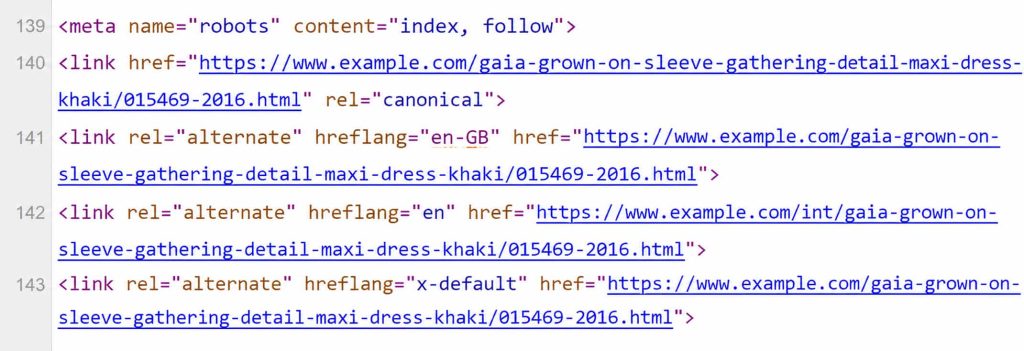
- Implement hreflang and technical SEO: Use
hreflangtags, self-referencing canonical tags, XML sitemaps, internal linking, and a clear site structure to help search engines understand, index, and serve the correct language and regional version of each page.
- Choose the right international URL structure: Use country-specific domains, subdomains, or subdirectories to target each market clearly. For example,
example.de,de.example.com, orexample.com/de/can signal that content is intended for German users.
- Build local authority and trust: Strengthen your presence in each region through locally relevant backlinks, structured data, customer reviews, regional partnerships, and content that demonstrates trust and relevance to users in that market.
Together, these five pillars form the foundation of a strong international SEO strategy, helping your website reach the right audiences in the right markets.
Is International SEO important for Ecommerce?
The ecommerce landscape is no longer confined by geography. Consumers regularly purchase products from overseas brands, but they still expect a localised shopping experience.
Imagine landing on a website that’s entirely in English when you speak German, displays prices in US dollars despite shopping from France, and offers shipping information that only applies to the UK. Chances are that you’ll leave before making a purchase.
International SEO helps remove these barriers.
By delivering country-specific content, local currencies, translated product information, and relevant shipping details, businesses create a seamless experience that builds trust, improves visibility and increases conversions.
How Does Keyword Research Change for International SEO?
One of the biggest mistakes businesses make when expanding internationally is translating their existing keyword lists and assuming they will perform the same way in another market.
Having grown up with Luxembourgish, I’ve seen first-hand how strange literal translations can sound. Take “Kéisécker”, for example. In Luxembourgish, it means “hedgehog,” but literally translated, it means “cheese corners”.
A direct translation doesn’t always reflect the terminology customers actually use. An English fashion brand targeting Germany might optimise for “halter top,” but a literal translation would be “Nackentop” or “Halstop,” which aren’t terms German shoppers typically use. Instead, they are more likely to search for “Neckholder-Top.”
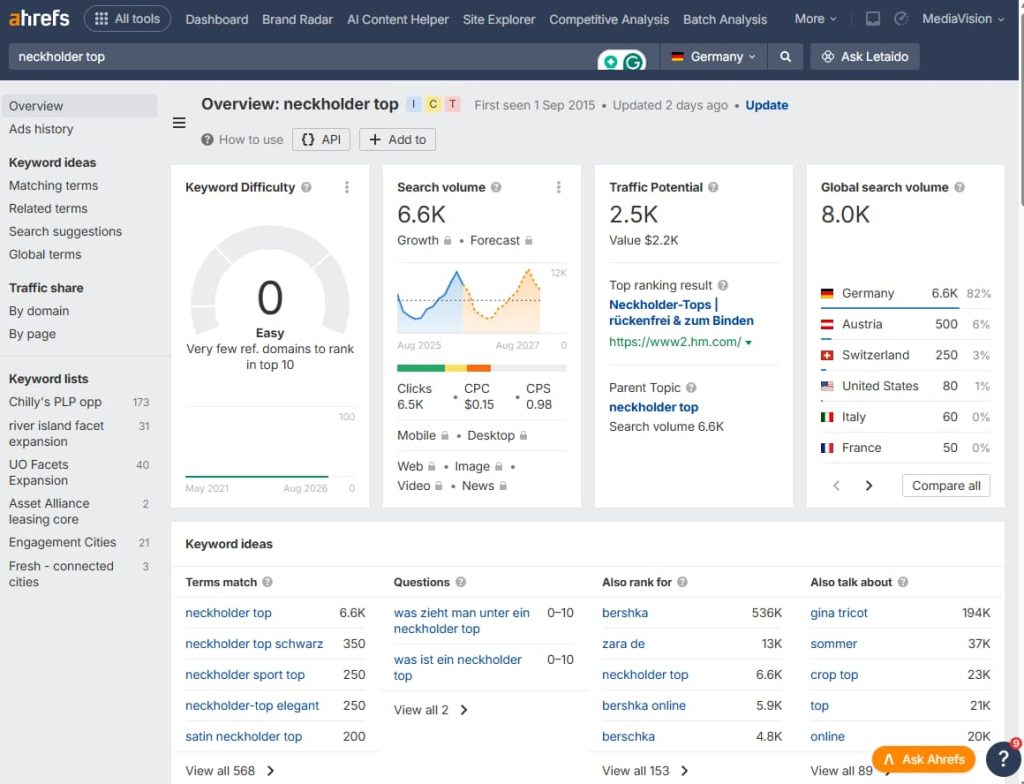
This is why understanding local search behaviour is so important when conducting keyword research for a new market. The most obvious translation isn’t always the term that will drive the most relevant traffic.
Beyond vocabulary, search intent can also change depending on location, culture, and buying behaviour. Someone searching for “winter jackets” in Canada has very different needs compared to someone making the same search in Australia. This is why successful international SEO requires local, market-specific keyword research to ensure your content targets the terms, language, and intent of each audience rather than relying on direct translations.
Why Native Speakers Matter for International SEO
A website can be perfectly translated and still feel completely wrong to a local customer.
Successful international SEO relies on localisation, not just translation. Working with a native or highly fluent speaker can help ensure your content reflects how people actually speak, search, and shop in each market.
For example, in Germany, both “Sneaker” and “Turnschuhe” refer to trainers, but they can signal different search intent. Shoppers looking for fashionable, everyday footwear are more likely to search for “Sneaker,” while “Turnschuhe” is often associated with sports or gym shoes.
Understanding these subtle differences helps ensure you’re targeting the keywords your audience is actually using, rather than relying on literal translations.
Native speakers also bring valuable insight into cultural nuances, regional language, and local shopping behaviour, helping you create content that feels authentic and resonates with customers.
After all, successful international SEO isn’t just about speaking the language, it’s about speaking the way your customers do.
The Future of International SEO and Global Search
Expanding into new markets has never been more accessible, but standing out in search is becoming increasingly competitive. As search engines continue to evolve and customer expectations grow, businesses need more than a translated website to succeed. They need content that feels local, a strong technical foundation, and a strategy that’s built around how people actually search in each market.
At MediaVision, we help brands take that next step. By combining multilingual expertise with technical SEO and market-specific research, we create international strategies that help businesses reach the right audiences, wherever they are. Whether it’s entering a new market, improving visibility in an existing one, or scaling internationally, our approach is always tailored to the needs of the brand and its customers.
By understanding local search behaviour and delivering experiences that feel relevant, businesses can create sustainable growth that lasts well beyond their next market launch.


